By Ishan Verma, Founder & Editor Theexamhub.in | June 26, 2026
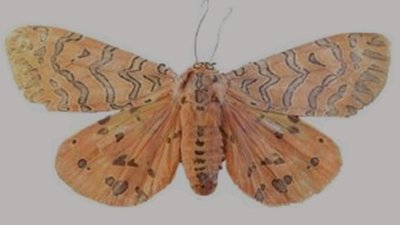
In a major development for Indian entomology and biodiversity studies, researchers have discovered a new genus and species of tiger moth in the southern Western Ghats. Officially named the Antaram idukki tiger moth, this newly identified insect belongs to the subfamily Arctiinae within the Erebidae family. Discovered in Kerala’s forested Idukki district, the scientific breakthrough highlights the hidden ecological treasures of the Western Ghats while underscoring the urgent need for habitat conservation in one of the world’s most sensitive ecological hotspots.
The discovery was published in the *Journal of the Lepidopterists’ Society*, a peer-reviewed international scientific publication. The finding suggests that despite decades of research, many small, nocturnal insect species in the Western Ghats remain undocumented and vulnerable to habitat changes.
Discovery and Classification of the Antaram idukki tiger moth
- Scientific Classification: Classified under the subfamily Arctiinae within the diverse Erebidae family, popularly known as tiger moths.
- New Genus: *Antaram* (represents a completely new taxonomic group).
- New Species: *Antaram idukki* (named after the Idukki district in Kerala where it was discovered).
- Scientific Publication: Officially documented in the peer-reviewed international publication, the *Journal of the Lepidopterists’ Society*.
- Conservation Status: Highly rare, with its larval host plants, life cycle, and feeding habits currently unknown to science.
The Collaborative Research Team
The research team that identified the Antaram idukki tiger moth represents a successful partnership between national scientific bodies and international experts. The collaborative team included Dr. Aparna Sureshchandra Kalawate from the Western Regional Centre of the Zoological Survey of India (ZSI) in Pune, and Dr. Muhamed Jafer Palot from the ZSI Western Ghats Regional Centre in Kozhikode.
The team also included Alberto Zilli, former Senior Curator of Lepidoptera at the Natural History Museum in London, and Balakrishnan Valappil, a local moth enthusiast and naturalist. This collaboration shows the value of combining academic expertise with local field observations to document rare and localized species in dense forest ecosystems.
To read more about India’s wildlife documentation and research programs, visit the official website of the Zoological Survey of India (ZSI).
The Ecological Role of Moths
The classification of the Antaram idukki tiger moth within the order Lepidoptera highlights the ecological importance of moths, which are closely related to butterflies. Unlike butterflies, moths are mostly nocturnal, making them essential nighttime pollinators for a wide variety of flowering plants and forest flora.
Moths also serve as a vital food source for birds, bats, and small mammals, placing them at the center of the forest food web. Because they are sensitive to temperature, humidity, and vegetation changes, moths serve as reliable indicators of environmental health, helping scientists monitor forest degradation and climate shifts.
Threats to Western Ghats’ Hidden Biodiversity
A major challenge regarding the Antaram idukki tiger moth is that its life history remains completely undocumented. Scientists do not yet know its larval host plant, breeding cycle, or feeding behavior. The research team warned that habitat degradation, climate shifts, and changes in native vegetation could threaten the survival of this rare genus before its biology is fully understood.
The Western Ghats, a UNESCO World Heritage Site, is recognized as one of the eight “hottest hotspots” of biological diversity globally. Despite its protected status, the region—including the Idukki district—faces growing pressures from unregulated tourism, land-use changes, forest fragmentation, and human-wildlife conflict. These activities can destroy the specific micro-habitats that rare species rely on, leading to potential extinctions of undocumented insects.
To learn more about the environmental status and protected zones of this region, you can explore the UNESCO World Heritage Centre.
Relevance for UPSC and State PSC Aspirants
Discoveries like the Antaram idukki tiger moth show that taxonomic research remains essential for conservation planning. Candidates can access additional scientific and environmental updates in our National News and Environment Section.
UPSC Civil Services Examination (CSE) Syllabus
- GS Paper III (Environment & Ecology): Conservation, environmental pollution and degradation, environmental impact assessment; biodiversity hotspots, criteria for selection, and species endemism.
- Prelims Focus: New species discoveries, classification of Lepidoptera, Western Ghats ecology, and the organizational structure of the Zoological Survey of India (ZSI).
State PSC (KPSC/CGPSC) Syllabus
- Regional Geography & Environment: Physical features of the Western Ghats, forest types in South India, and measures taken to protect wildlife sanctuaries and national parks.
- Socio-Economic Impact: Balancing tourism and infrastructure development with ecological conservation in environmentally sensitive areas.
Quick Revision Table: Antaram idukki
| Key Parameter | Scientific & Discovery Details |
|---|---|
| Species Name | Antaram idukki tiger moth (Subfamily Arctiinae) |
| Scientific Order | Lepidoptera (Family Erebidae) |
| Location of Discovery | Idukki District, Kerala (Southern Western Ghats) |
| Research Agencies | Zoological Survey of India (ZSI) & NHM London |
| Ecological Status | Rare, nocturnal pollinator; life history currently unknown |
| Major Threat Factors | Habitat degradation, land-use changes, and unregulated tourism |
Frequently Asked Questions (FAQs)
1. What is the scientific classification of the Antaram idukki tiger moth?
The Antaram idukki tiger moth belongs to the order Lepidoptera, family Erebidae, and the subfamily Arctiinae. It represents a newly discovered genus named *Antaram* and a new species named *idukki*.
2. Where was the Antaram idukki tiger moth discovered?
The species was discovered in the forested Idukki district of Kerala, which forms part of the ecologically sensitive southern Western Ghats region.
3. Who were the key researchers involved in this discovery?
The collaborative team included Dr. Aparna Sureshchandra Kalawate (ZSI Pune), Dr. Muhamed Jafer Palot (ZSI Kozhikode), Alberto Zilli (formerly of the Natural History Museum, London), and local naturalist Balakrishnan Valappil.
4. Why are moths considered important for forest ecosystems?
Moths are essential nocturnal pollinators that support diverse forest flora. They also serve as a key food source for various birds, bats, and small mammals, and act as indicators of environmental health.
5. What threats does the newly discovered moth genus face in the Western Ghats?
The moth faces threats from habitat degradation, unregulated tourism, changes in native forest vegetation, and land-use changes in the Western Ghats, which could impact the species before its life cycle is fully understood.
Conclusion
The discovery of the Antaram idukki tiger moth serves as a reminder of the undocumented biological diversity that exists in India’s protected forests. It highlights that conserving ecosystems like the Western Ghats requires protecting not just large, visible mammals, but also the delicate insect populations that support the food web. Ultimately, the protection of species like the Antaram idukki tiger moth is essential for maintaining ecological balance and preserving the natural heritage of the Western Ghats for future generations.