By Ishan Verma, Founder & Editor Theexamhub.in | June 26, 2026
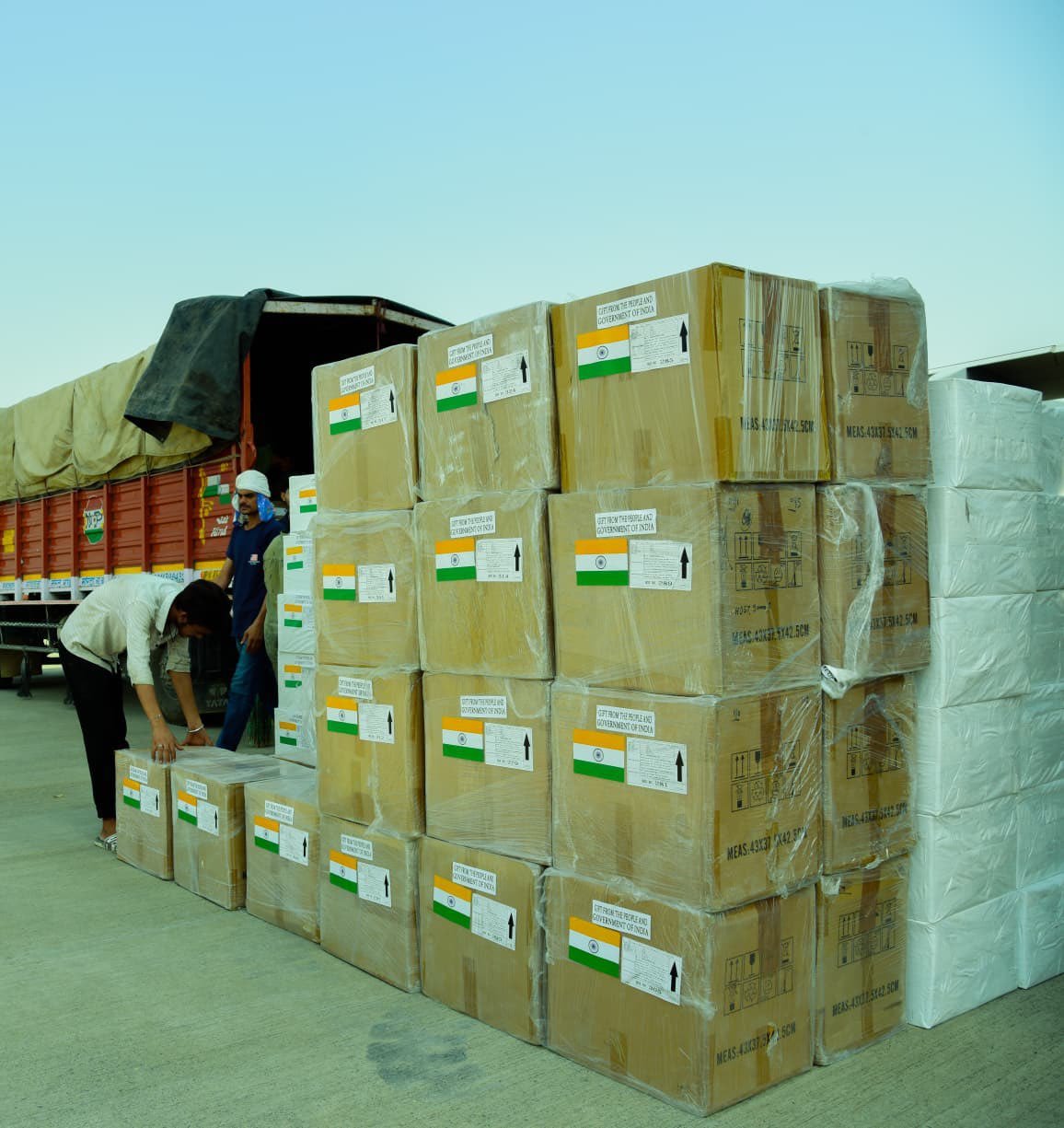
In a strong demonstration of international solidarity and rapid disaster response, India has officially launched the Operation Amistad HADR mission to assist the Bolivarian Republic of Venezuela. This Humanitarian Assistance and Disaster Relief (HADR) operation was initiated in response to a devastating earthquake that has caused significant loss of life, injuries, and widespread infrastructure damage in the South American country. Operating under the principles of global cooperation, the Indian government has dispatched major relief materials and rescue personnel to aid local authorities in their recovery efforts.
The swift mobilization of the Operation Amistad HADR mission highlights India’s established capacity as a reliable first responder during global humanitarian crises. By deploying long-range military transport assets and specialized medical teams, India continues to support international disaster mitigation efforts in distant regions.
Core Assets Dispatched in the Operation Amistad HADR mission
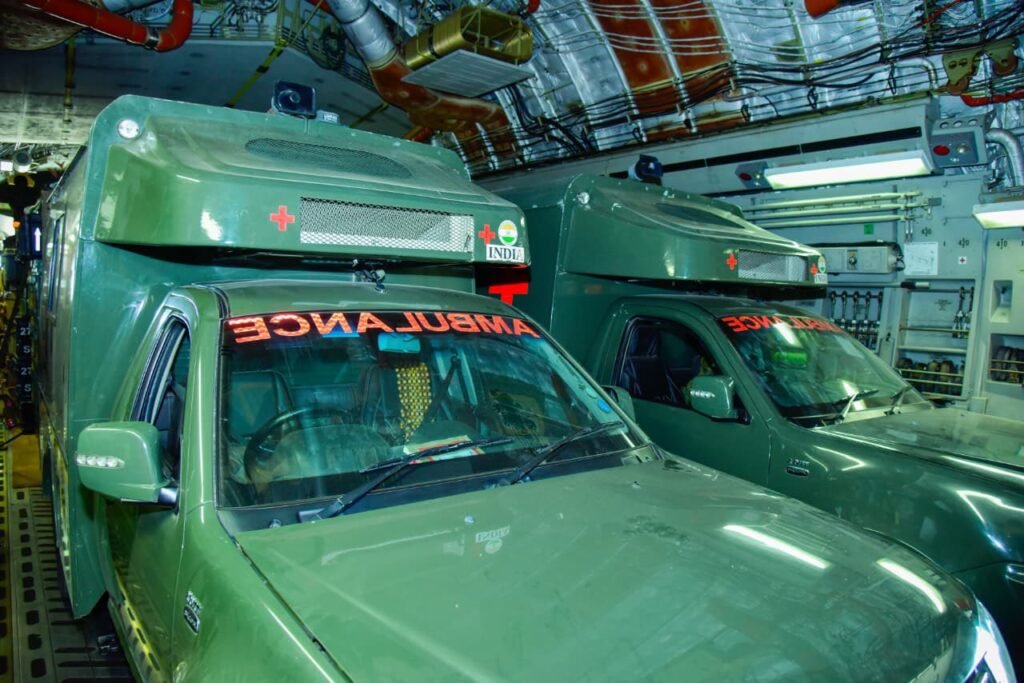
- Strategic Deployment: Two heavy-lift Indian Air Force (IAF) C-17 Globemaster aircraft were deployed to transport emergency relief materials.
- Rescue Personnel: A 41-member joint rescue team comprising experienced search-and-rescue personnel and emergency medical specialists.
- Army Field Hospital: An Indian Army Field Hospital unit equipped with specialized HADR pallets and surgical supplies.
- Medical Tonnage: Dispatched 30 tons of general relief supplies and 6 tons of essential medicines and high-tech medical equipment.
- Advanced Medical Tech: Two BHISHM (Bharat Health Initiative for Sahyog Hita and Maitri) portable cube hospitals for immediate field operations.
The Medical Logistics: Army Field Hospital and BHISHM Cubes
An essential component of the Operation Amistad HADR mission is the deployment of high-tech modular medical infrastructure designed for rapid setup in disaster zones. The Indian consignment includes a self-reliant medical task force alongside an Indian Army Field Hospital. This mobile unit is designed to provide immediate trauma care, emergency surgeries, and diagnostic services in areas where local hospital infrastructure has collapsed.
Most notably, India has sent two **BHISHM cube portable hospitals** under its Aarogya Maitri project. These state-of-the-art modular, compact medical cubes are highly durable, waterproof, and designed to be transported by hand, drone, or light vehicle. Each BHISHM cube contains diagnostic tools, a mini operating theater, a ventilator, a small laboratory, and essential medications, allowing local doctors to treat up to 200 emergency cases in the field quickly.
To read more about India’s diplomatic and humanitarian outreach protocols, visit the official website of the Ministry of External Affairs (MEA).
Strategic Importance: India’s Role as a Global First Responder
Through the Operation Amistad HADR mission, India is reinforcing its position as a reliable provider of humanitarian assistance across the globe. This operation follows similar successful international interventions, such as *Operation Dost* (assisting Turkey and Syria during the 2023 earthquake) and *Operation Karuna* (providing aid to Myanmar after Cyclone Mocha). The word “Amistad” translates to “Friendship” in Spanish, reflecting the diplomatic intent of the mission.
By executing a complex HADR operation in South America, the Indian Air Force and Army Medical Corps have demonstrated their ability to manage long-range logistics across continents. This capability supports India’s soft power diplomacy, showing that the country possesses the administrative and military tools needed to support global stability and disaster mitigation efforts far beyond its immediate borders.
For official updates on aircraft deployments and transport logistics, visit the Indian Air Force Portal.
Relevance for UPSC and State PSC Aspirants
For candidates preparing for competitive civil services exams, the Operation Amistad HADR mission is a valuable study topic under international relations and disaster management. Candidates can access additional foreign policy updates in our National Current Affairs Section.
UPSC Civil Services Examination (CSE) Syllabus
- GS Paper II (International Relations): Bilateral, regional, and global groupings involving India and affecting India’s interests; India’s soft power diplomacy and relations with Latin American countries.
- GS Paper III (Disaster Management): Disaster management frameworks, role of armed forces in search and rescue, international HADR operations, and technological innovations in disaster relief (Project BHISHM).
State PSC (CGPSC/State Exams) Syllabus
- International and National Current Affairs: Major disaster relief operations conducted by the Government of India, bilateral humanitarian assistance, and transport logistics.
- Defense Sector Developments: Role of the Indian Air Force’s transport fleet (C-17 Globemaster) and specialized medical units in international missions.
Quick Revision Table: Operation Amistad
| Key Parameter | Mission & Operational Details |
|---|---|
| Operation Name | Operation Amistad HADR mission |
| Target Country | Bolivarian Republic of Venezuela (South America) |
| Dispatched Date | June 26, 2026 |
| Aircraft Deployed | Two Indian Air Force (IAF) C-17 Globemaster III Transport Aircraft |
| Core Cargo | 30 tons of relief supplies, 6 tons of medicines, and Army Field Hospital |
| Specialized Equipment | 2 BHISHM Portable Cube Hospitals (Aarogya Maitri Project) |
| Team Strength | 41-member rescue and medical specialist team |
Frequently Asked Questions (FAQs)
1. What is the primary objective of the Operation Amistad HADR mission?
The primary objective of the Operation Amistad HADR mission is to provide rapid Humanitarian Assistance and Disaster Relief (HADR) to Venezuela following a devastating earthquake that caused extensive loss of life and infrastructure damage.
2. Which transport aircraft were deployed for the Operation Amistad HADR mission?
The Indian Air Force deployed two of its heavy-lift **C-17 Globemaster III** strategic transport aircraft to fly the relief supplies and rescue personnel directly to Venezuela.
3. What are the BHISHM cubes deployed in the mission?
BHISHM (Bharat Health Initiative for Sahyog Hita and Maitri) cubes are highly advanced, portable, modular field hospitals designed for rapid deployment. They contain critical trauma-care tools, diagnostic equipment, and surgical supplies to treat up to 200 emergency cases in disaster zones.
4. How many personnel were dispatched as part of the rescue team?
India dispatched a highly specialized 41-member team comprising experienced search-and-rescue personnel and medical professionals to work alongside local Venezuelan authorities.
5. What does the name “Amistad” mean, and why was it chosen?
“Amistad” means “Friendship” in Spanish, which is the official language of Venezuela. The name was chosen to reflect India’s solidarity and cooperative ties with the people and government of Venezuela during the crisis.
Conclusion
The execution and implementation of the Operation Amistad HADR mission reflects India’s growing capacity to manage complex, long-range humanitarian relief operations. By delivering essential medical cargo, search-and-rescue teams, and advanced BHISHM cube hospitals across continents, India has shown that its disaster management capabilities are globally scalable. Ultimately, these proactive efforts demonstrate that humanitarian diplomacy remains a key pillar of India’s foreign policy, supporting international stability and establishing strong partnerships based on shared human values.