By Ishan Verma, Founder & Editor Theexamhub.in | June 25, 2026
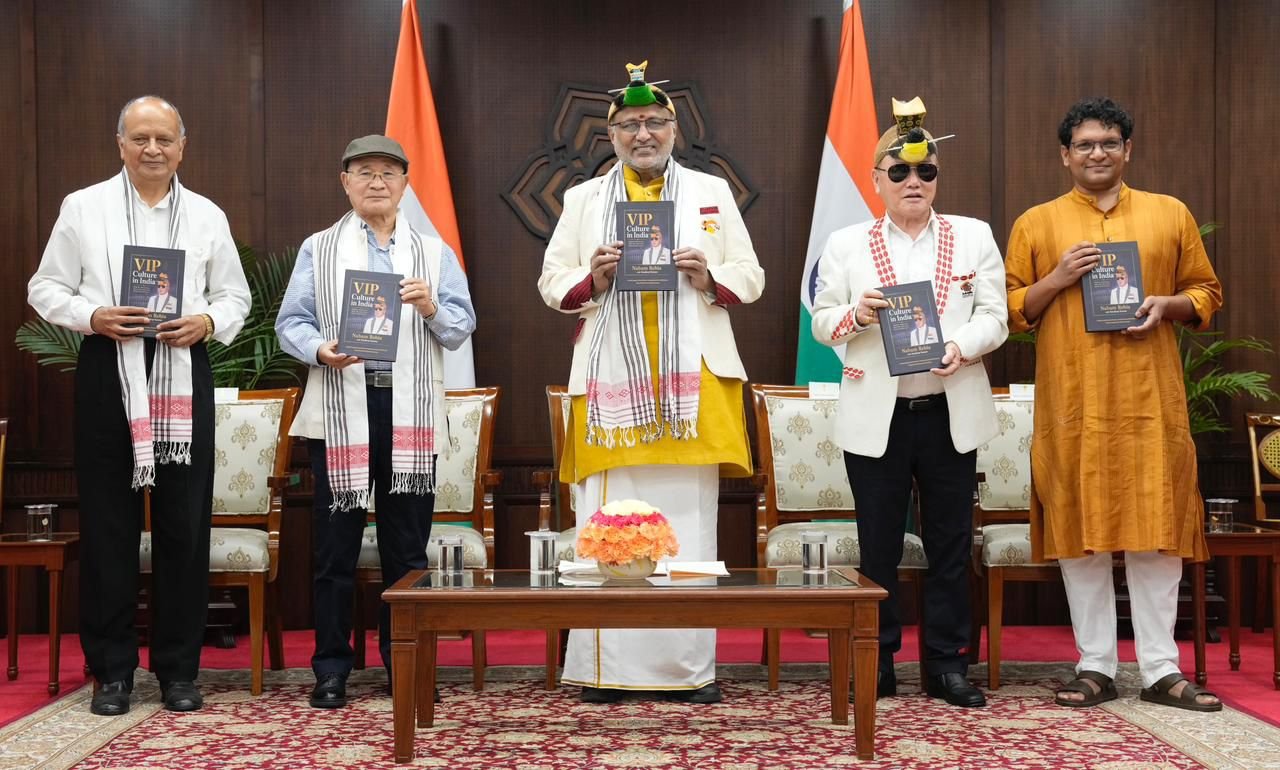
Vice-President of India, Shri C. P. Radhakrishnan, recently released the highly anticipated VIP Culture in India Book, titled “VIP Culture in India: Power, Privilege and the Distance from Democracy”. During the formal release ceremony at Uprashtrapati Bhavan in New Delhi, the Vice-President remarked that the book touches the very core of democratic governance. Written by former Rajya Sabha Member from Arunachal Pradesh Shri Nabam Rebia and co-author Shri Sandeep Kumar, the publication advocates for a shift from power-centric authority to citizen-first service.
The book launch highlights the ongoing debate surrounding public privilege and democratic accountability in India. By reviewing historical and constitutional perspectives, the authors invite readers to examine how the governing class interacts with citizens in a modern republic.
Significance of the VIP Culture in India Book
- Constitutional Vision: The book aligns with the values of justice, equality, liberty, and fraternity established by the framers of the Indian Constitution.
- Public Office as Service: Emphasizes that public authority is a shared social responsibility, not an individual privilege or right.
- Civilizational Roots: Draws upon ancient Indian literature, including the Upanishads, Ramcharitmanas, the Panchatantra, and Buddhist teachings.
- Distinguished Authorship: Authored by senior legislator Shri Nabam Rebia and researcher Shri Sandeep Kumar, bringing practical administrative insights to the text.
- Prominent Attendees: The release event was attended by former Arunachal Pradesh Chief Minister Nabam Tuki and former Rajya Sabha Member W. R. Kharlukhi.
Democratic Core: Responsibility Over Privilege
The release of the VIP Culture in India Book comes at a time when administrative systems are increasingly expected to prioritize citizen needs. During his address, Vice-President Radhakrishnan noted that a healthy democracy relies on the relationship between citizens and those in positions of authority. He stated that governance is most effective when public office is treated as a duty rather than a symbol of elevated status.
Quoting the classical Tamil saint-poet Thiruvalluvar, the Vice-President noted that true leadership is defined by accessibility, compassion, and accountability. Leaders who remain approachable and respectful of public concerns consistently build long-term trust. The book examines how modern administrative practices can sometimes create an unnecessary gap between public officials and the citizens they serve.
For official statements and coverage of constitutional events, you can visit the official Vice President of India Portal.
Integrating Civilizational and Historical Ethos
A unique feature of the VIP Culture in India Book is its integration of traditional Indian philosophy with modern political science. The authors use references from the Upanishads, the teachings of Lord Buddha, the Ramcharitmanas, and the moral stories of the Panchatantra to show that humility has always been a key component of Indian leadership.
The book also references the life of former Prime Minister Lal Bahadur Shastri as a prime example of administrative simplicity. Known for his modest lifestyle and dedication to public welfare, Shastri’s approach serves as a historical model for reducing the gap between the administration and the public. The authors argue that reviving these values is essential for strengthening the foundations of the democratic republic.
Aligning with Citizen-Centric Reforms
The key arguments presented in the VIP Culture in India Book align closely with recent administrative changes aimed at reducing public inconvenience. Vice-President Radhakrishnan referenced Prime Minister Narendra Modi’s vision of citizen-centric governance, recalling his statement that “Every Indian is special. Every Indian is a VIP.”
The Vice-President highlighted several practical reforms, such as the abolition of red beacon lights (lal batti) on official vehicles, which has helped reduce visible symbols of hierarchy on public roads. He also noted a recent decision by the Prime Minister to delay his own departure to avoid disrupting traffic for NEET aspirants, describing it as a practical example of a “citizen-first” approach to governance.
To read more about administrative and parliamentary records, you can explore the Rajya Sabha Official Portal.
Key Attendees at the Launch Event
The launch ceremony for the VIP Culture in India Book saw the presence of several senior political leaders and representatives from the Northeast. Among the distinguished guests were former Chief Minister of Arunachal Pradesh Shri Nabam Tuki and former Rajya Sabha Member from Meghalaya Shri W. R. Kharlukhi. Their presence highlighted the regional and national interest in the book’s themes of democratic reforms and decentralized governance.
Relevance for UPSC and State PSC Aspirants
For civil services aspirants, the themes analyzed in the VIP Culture in India Book are highly relevant, particularly for papers on governance, administrative ethics, and constitutional values. Additional analytical resources are available in our National News and Policy Section.
UPSC Civil Services Examination (CSE) Syllabus
- GS Paper II (Polity & Governance): Role of civil services in a democracy, pressure groups, and formal/informal associations and their role in the polity.
- GS Paper IV (Ethics & Integrity): Public service values, administrative ethics, empathy and compassion toward the public, and lessons from the lives of great leaders (Lal Bahadur Shastri, Thiruvalluvar).
State PSC (CGPSC/State Exams) Syllabus
- Public Administration & Development: Evolution of administrative culture in post-independence India, citizen charters, and measures to promote transparency.
- Essay Paper: Democratic decentralization, the role of public representatives, and the transition from colonial administrative setups to democratic governance.
Quick Revision Table: VIP Culture in India Book
| Key Parameter | Details of the Publication |
|---|---|
| Full Title | VIP Culture in India Book (“VIP Culture in India: Power, Privilege and the Distance from Democracy”) |
| Released By | Vice-President of India, Shri C. P. Radhakrishnan |
| Authors | Shri Nabam Rebia (Former RS MP, Arunachal) and Shri Sandeep Kumar |
| Venue of Release | Uprashtrapati Bhavan, New Delhi |
| Core Philosophy | Abolition of privilege, equality before the law, and citizen-first public service |
| Historical References | Lal Bahadur Shastri, Thiruvalluvar, Upanishads, Panchatantra, Buddhist teachings |
Frequently Asked Questions (FAQs)
1. Who wrote the newly released VIP Culture in India Book?
The VIP Culture in India Book was written by former Rajya Sabha Member from Arunachal Pradesh Shri Nabam Rebia and co-author Shri Sandeep Kumar, a researcher on public policy.
2. What is the primary theme of the VIP Culture in India Book?
The primary theme of the book is the analysis of public privilege and the “distance” it can create between the administration and citizens in a democracy, advocating instead for humility and accountability in public office.
3. Which historical and philosophical texts are referenced in the book?
The authors draw upon classic Indian traditions, referencing the Upanishads, the Ramcharitmanas, the Panchatantra, and the teachings of Lord Buddha to emphasize the importance of selfless service.
4. Which former Prime Minister’s life is used as a model of simplicity in the book?
The book highlights former Prime Minister Lal Bahadur Shastri as a key historical model of simplicity, integrity, and dedication to public service without the trappings of power.
5. What modern administrative reforms does the book align with?
The book’s themes align with recent citizen-centric initiatives, such as the removal of red beacon lights (lal batti) from VIP vehicles and the prioritization of public convenience over official transit protocols.
Conclusion
The constitutional principle of equality, as highlighted in the VIP Culture in India Book, is not merely a legal rule but a core value of democratic public service. By examining the impact of official privilege and drawing on classical Indian philosophy, the authors offer a thoughtful perspective on public administration. Ultimately, as the book suggests, the true strength of a democratic republic lies in public service guided by humility, accessibility, and a commitment to serving every citizen equally.