By Ishan Verma, Founder & Editor Theexamhub.in | June 30, 2026
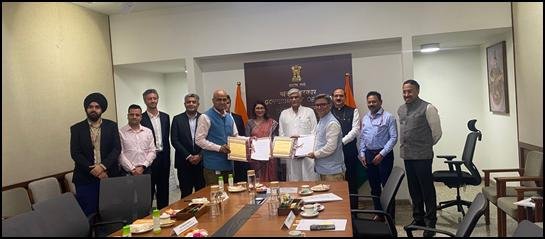
In a major step toward modernizing India’s tourism marketing, the Ministry of Tourism Google India MoU (Memorandum of Understanding) was officially signed in New Delhi. This collaborative partnership aims to utilize artificial intelligence, data-driven travel insights, and digital technologies to strengthen the global promotion of Indian tourism destinations. Exchanged in the presence of Union Minister for Tourism and Culture, Shri Gajendra Singh Shekhawat, the agreement seeks to transform how global and domestic travelers engage with India’s rich cultural and natural heritage.
The collaboration comes at a time when digital tools are increasingly defining the global travel industry. By adopting a modern, technology-first approach under the central government’s flagship *Incredible India* initiative, the partnership aims to position India as an accessible and globally competitive travel destination.
Core Objectives of the Ministry of Tourism Google India MoU
- Digital Promotion: Enhancing the online visibility of India’s diverse tourist destinations and cultural heritages across Google’s digital platforms.
- Data-Driven Insights: Leveraging Google’s travel search trends and traveler behavior analysis to plan evidence-based marketing campaigns.
- Capacity Building: Organizing specialized digital marketing and AI training programs for Ministry of Tourism administrative officials.
- Zero Financial Implications: Established as a non-commercial, non-binding, and non-exclusive partnership with no financial commitments from either side.
- Immersive Technology: Using emerging technologies, including artificial intelligence, to create interactive and immersive virtual tours of India’s historic sites.
The Primary Framework of the Collaboration
The primary framework of the Ministry of Tourism Google India MoU establishes a voluntary collaborative platform. The agreement focuses on knowledge-sharing and technology integration to improve visitor engagement. It allows the Ministry to access Google’s extensive digital tools without entering into exclusive commercial commitments, preserving the flexibility of public sector planning.
During his address, Union Minister Gajendra Singh Shekhawat explained that digital technologies have the potential to create immersive experiences that showcase the historical significance of India’s cultural sites to international audiences. He noted that incorporating artificial intelligence into the *Incredible India* campaign will allow potential travelers to discover, plan, and experience Indian heritage in more personalized and interactive ways.
To read more about active national tourism campaigns and registered heritage destinations, visit the official Ministry of Tourism Portal.
Leveraging Artificial Intelligence and Data Analytics
Under the provisions of the Ministry of Tourism Google India MoU, the government will incorporate data-driven insights into its strategic planning. Google’s global travel trends database will provide the Ministry with real-time information on tourist preferences, seasonal interest shifts, and digital search patterns. This data will be used to design targeted, measurable, and highly cost-effective digital marketing campaigns.
Additionally, the integration of artificial intelligence will help develop immersive digital assets. These may include high-definition virtual reality tours of UNESCO World Heritage Sites, interactive digital maps, and customized AI search guides designed to help tourists plan travel itineraries across domestic circuits, such as the Golden Triangle, Buddhist Circuit, or Himalayan eco-tourism trails.
To view existing digital interactive travel maps and explore regional circuits, visit the official Incredible India Portal.
Capacity Building for Administrative Officials
Another important component of the Ministry of Tourism Google India MoU is the focus on human resource development within the department. Google India will organize specialized training sessions and workshops for Ministry officials to build skills in digital marketing tools, search engine optimization (SEO), campaign analytics, and target audience identification.
This training aims to ensure that the Ministry can independently manage and optimize its digital campaigns, evaluate outreach metrics, and utilize advanced tools to measure the direct impact of its online tourism promotions. By upskilling its administrative workforce, the Ministry is establishing a sustainable framework for future digital public relations and outreach programs.
Dignitaries Present at the Ceremony
The formal exchange of the Ministry of Tourism Google India MoU was attended by senior administrative officers and corporate executives in New Delhi. Among the prominent attendees were Shri Bhuvnesh Kumar, Secretary, Ministry of Tourism; Shri Suman Billa, Additional Secretary and Director General (Tourism); and Ms. Preeti Lobana, Country Manager and Vice President of Google India, along with other technical representatives from the organization.
Relevance for UPSC and State PSC Aspirants
For candidates preparing for competitive civil services exams, the Ministry of Tourism Google India MoU serves as a valuable case study. Candidates can access more policy analyses in our National News and Policy Section.
UPSC Civil Services Examination (CSE) Syllabus
- GS Paper II (Governance): Important aspects of governance, transparency, and accountability; e-governance applications, models, successes, and limitations; Public-Private Partnerships (PPP) in development sectors.
- GS Paper III (Indian Economy & Technology): Effects of liberalization on the economy, changes in industrial policy and their effects on industrial growth; service sector development (Tourism as an economic driver), and the adoption of Artificial Intelligence (AI).
State PSC (CGPSC/State Exams) Syllabus
- Role of Information Technology: Use of ICT and digital tools in state tourism boards, public relations, and heritage conservation campaigns.
- Economic Geography: Development of regional tourism circuits, economic contribution of the hospitality industry, and infrastructure development in tourist zones.
Quick Revision Table: Ministry of Tourism & Google India MoU
| Key Parameter | Details of the Partnership |
|---|---|
| Agreement Name | Ministry of Tourism Google India MoU (Memorandum of Understanding) |
| Date & Location | June 30, 2026; New Delhi, India |
| Exchange Dignitaries | Shri Gajendra Singh Shekhawat (Minister) and Ms. Preeti Lobana (VP, Google India) |
| Agreement Nature | Non-commercial, non-binding, non-exclusive (zero financial implications) |
| Primary Technology Used | Artificial Intelligence (AI), data analytics, and search-trend tracking |
| Core Target | Global digital promotion of India’s cultural and heritage destinations |
Frequently Asked Questions (FAQs)
1. What is the primary objective of the Ministry of Tourism Google India MoU?
The primary objective of the Ministry of Tourism Google India MoU is to strengthen the digital and online promotion of India’s tourist destinations under the *Incredible India* initiative, leveraging Google’s expertise in artificial intelligence, travel search trends, and digital marketing.
2. Are there any financial implications associated with the Ministry of Tourism Google India MoU?
No, the Memorandum of Understanding is entirely non-commercial, non-binding, and non-exclusive, carrying no financial commitments or implications for either the Ministry of Tourism or Google India.
3. How will Google’s data insights be utilized by the Ministry?
The Ministry will use Google’s aggregated travel search data, traveler behavior metrics, and seasonal search trends to plan, design, and optimize highly targeted, evidence-based digital marketing campaigns for domestic and international travelers.
4. What kind of training is envisioned for government officials under this agreement?
The partnership includes capacity-building and upskilling programs for Ministry of Tourism officials, focusing on modern digital marketing tools, campaign optimization, SEO strategies, content creation, and the application of artificial intelligence in public sector communication.
5. Who were the key dignitaries present during the MoU exchange?
The exchange took place in the presence of Union Minister Gajendra Singh Shekhawat, Tourism Secretary Bhuvnesh Kumar, Additional Secretary Suman Billa, and Ms. Preeti Lobana, Country Manager and VP of Google India.
Conclusion
The integration of technology into public communication, achieved through the Ministry of Tourism Google India MoU, highlights a modern approach to cultural diplomacy and economic promotion. By utilizing search-trend analytics and preparing for AI-driven traveler interaction, the Ministry of Tourism is taking steps to improve its global outreach. Ultimately, as the tourism industry increasingly moves online, partnerships that combine administrative heritage goals with corporate technology tools will remain essential for showcasing India’s natural and cultural landmarks to the world.